




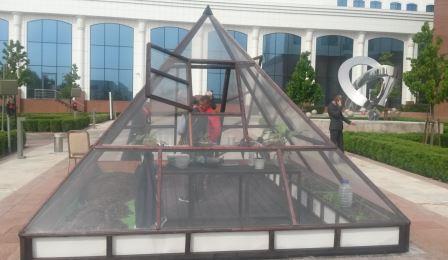
 An exhibition of accessible technologies for adaptation to climate change at the local level was presented at the Central Asian Conference on Climate Change recently held in Tashkent as part of the CAMP4ASB project.
Participants presented the experience of using climate-friendly and easily accessible technologies and practices in water supply, water conservation, alternative energy sources and sustainable land use.
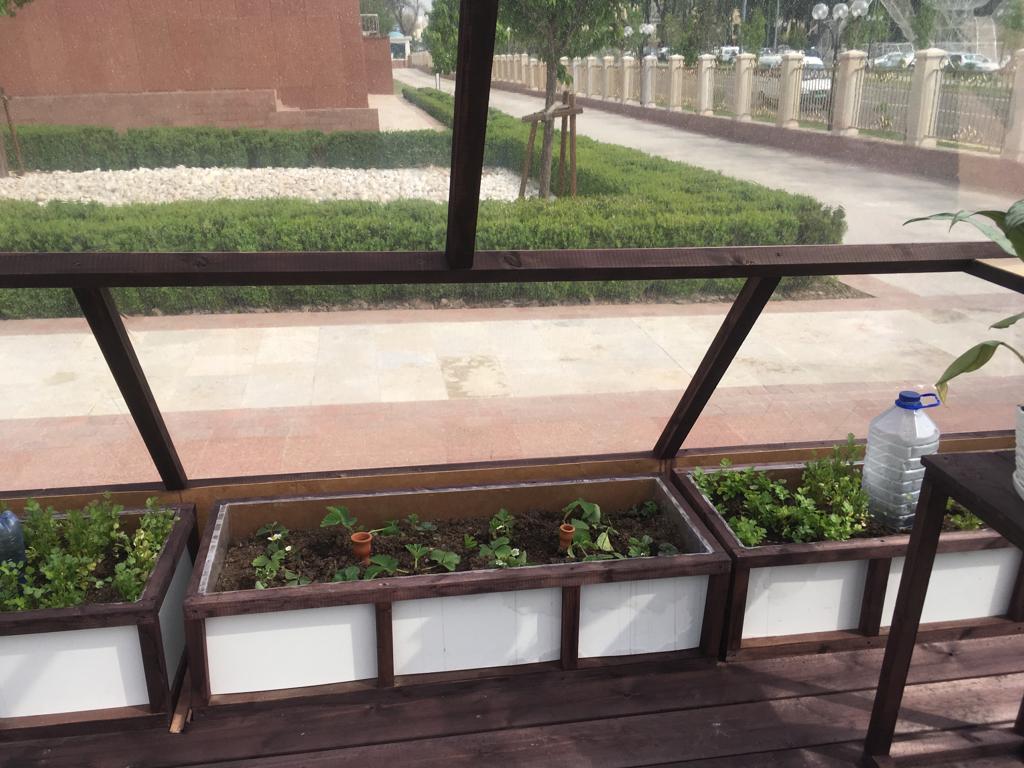
So, along with the drip irrigation system, new and undeservedly forgotten irrigation systems were presented, including watering from plastic bottles, the advantages of which are material availability, ease of construction, minimal work and financial costs, saved time for watering, and significant water savings, as well as the possibility of an individual approach to each green space.
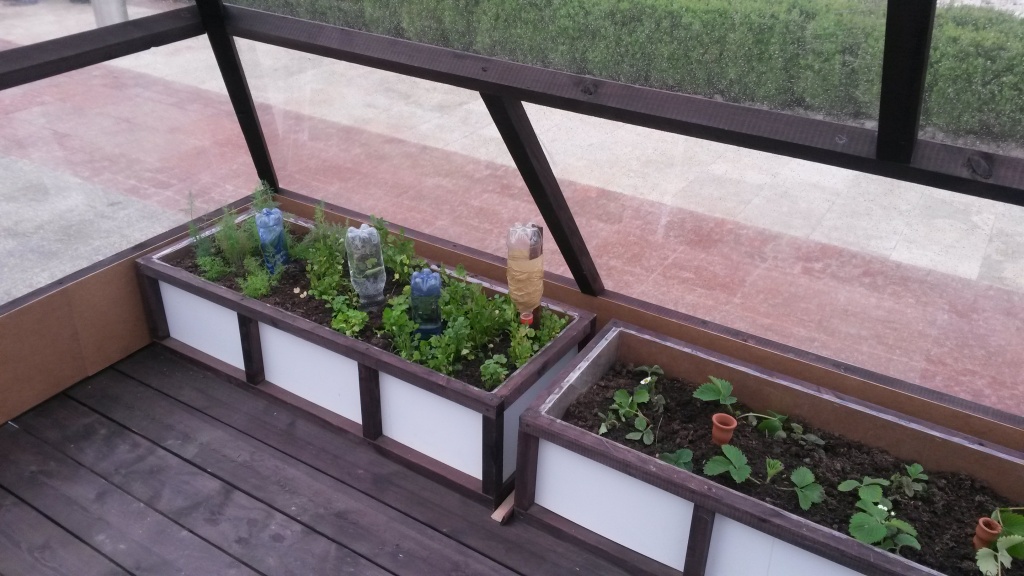
The technology of solar irrigation KondensKompressor, the use of which allows you to save a huge amount of water for irrigation and growing plants that regularly need watering (can reduce the need for water up to 10 times compared with other traditional irrigation systems). In KondensKompressor, water is obtained without salt, nitrates and other pollutants. It can also be used to desalinate seawater in a similar manner. Especially with frequent droughts, this method can help farmers increase yields with fewer resources used.
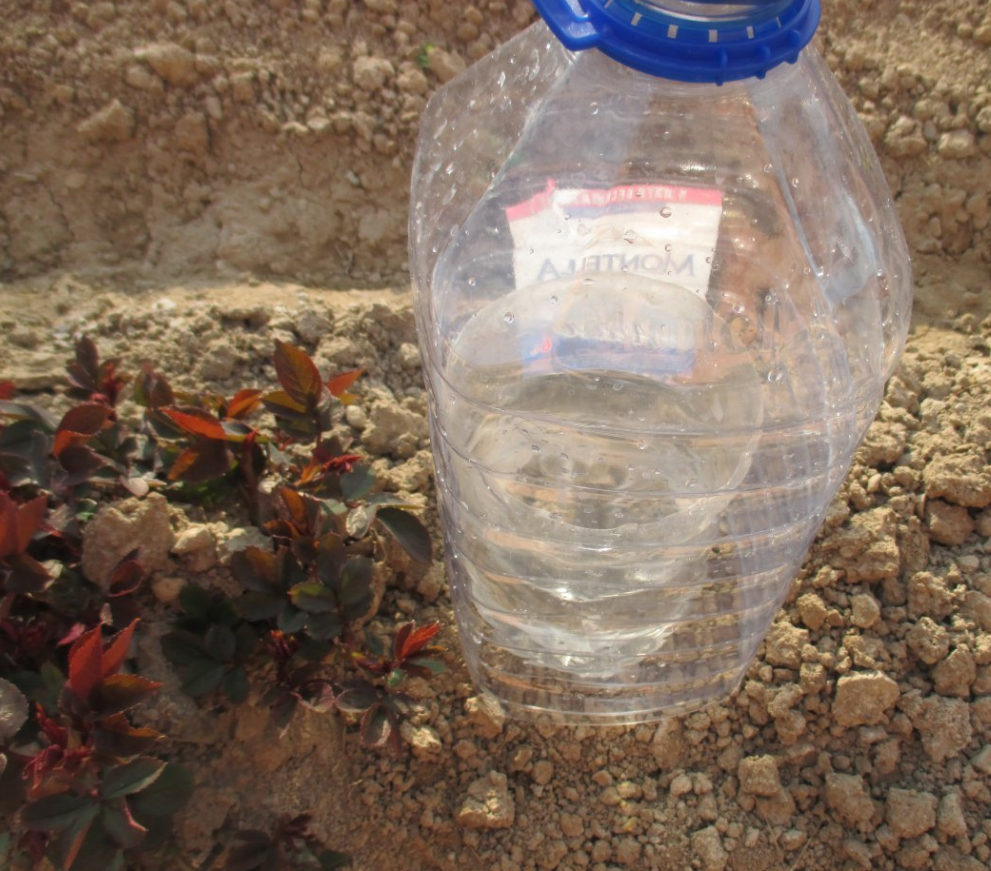
The technology of earthenware irrigation, in fact, is an automatic drip irrigation without timers and electronic sensors. The key feature is that water infiltration is regulated by the water demand of a nearby plant. Not a drop of water is wasted, which is a great solution for drylands. Local watering with the help of a clay tank helps to spend 50-70% less water. In addition, weeds disappear, there are fewer pests, the structure of the soil, root system and above-ground parts of plants improves.
The hydro-ram plant presented at the exhibition has a unique opportunity for watering gardens and fallow slopes, which can continuously work for months without supervision, adjustment and maintenance, supplying water to a small village or farm.
Under the conditions of shortage of fresh and clean water with sufficient reserves of salt (for example, sea), demonstrated simple desalination plants, in which solar radiation is the source of energy, are used.
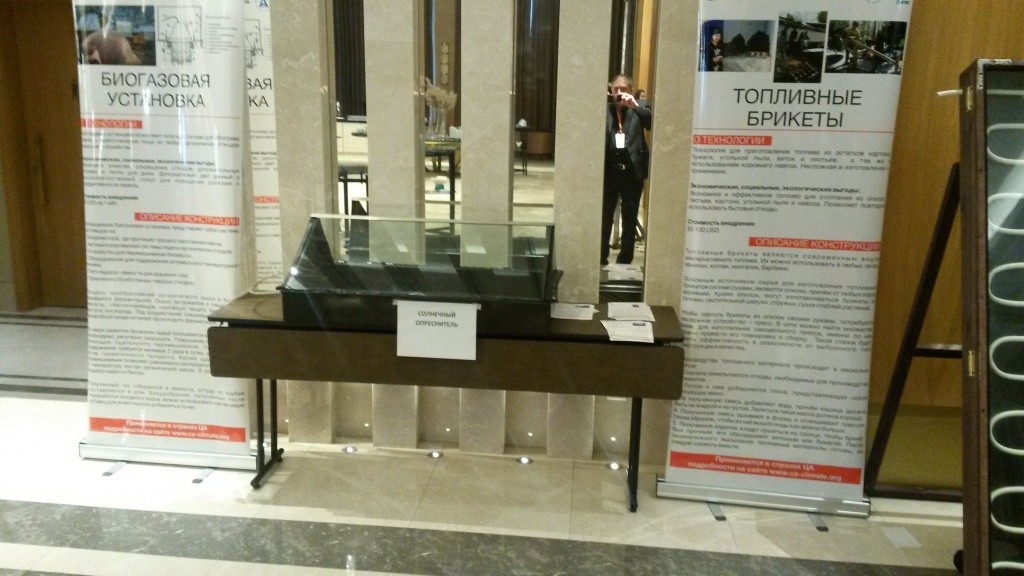
In the CA region, cooking stoves based on coal, wood, gas or liquid fuel can be replaced by stoves that use solar energy. The temperature in solar ovens is enough for cooking many dishes. The exhibition featured three types of such stoves.
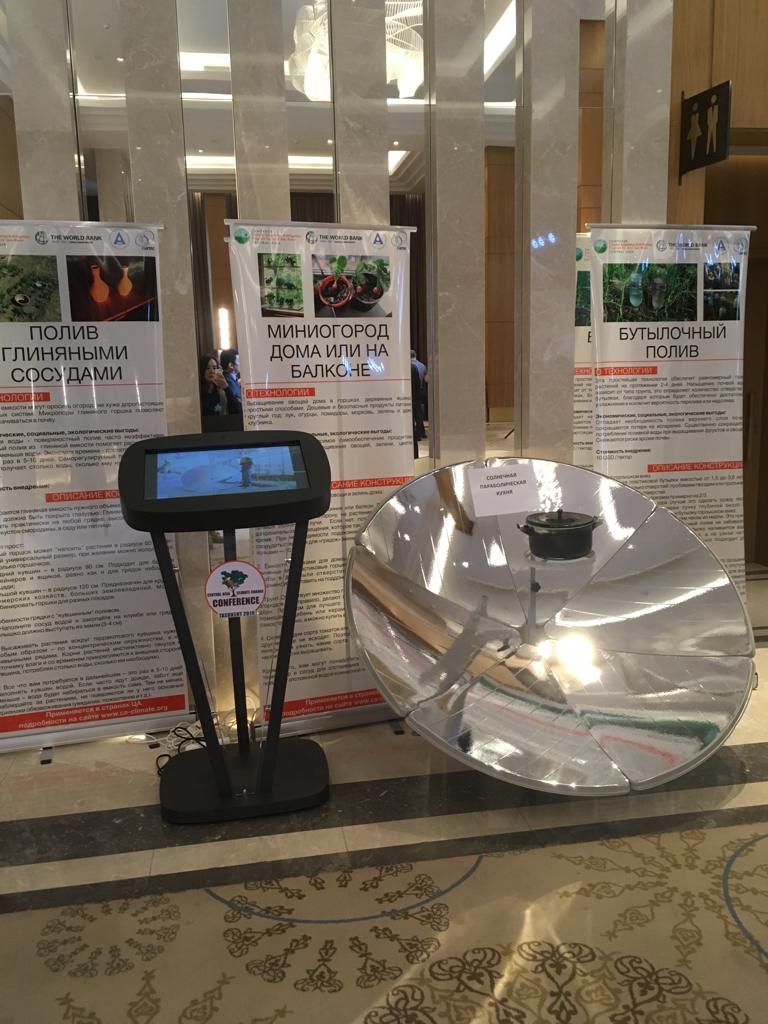
- Parabolic solar stoves, that are convenient to use when you need to quickly cook a relatively small amount of food that can be made from a satellite dish.
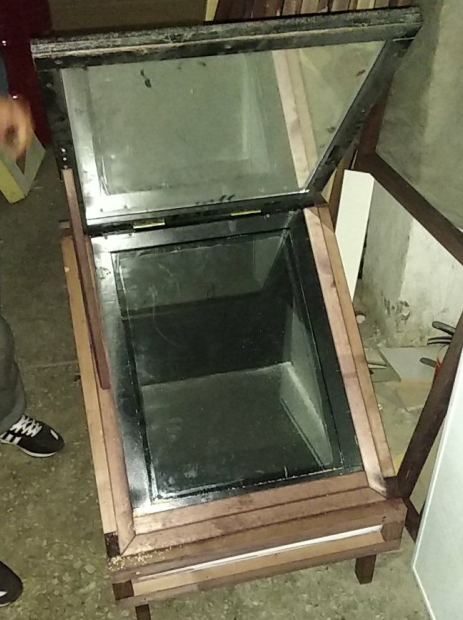
- Boxed solar stoves, which are mainly used for relatively slow cooking of large volumes of food, which are fairly simple to make from affordable materials and have a durability of up to 10 years.
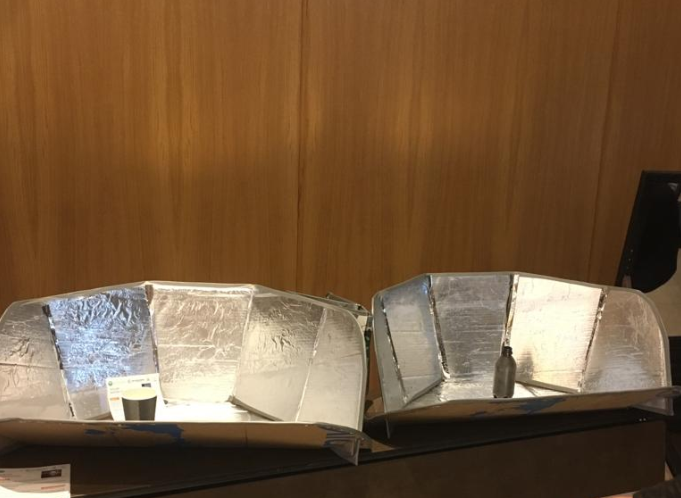
- Outdoor solar stoves made of cardboard that can be used when you are away from home (for example, when grazing livestock, hiking, etc.), collected from a template in 5 minutes.
Using the energy of the sun can also significantly facilitate and accelerate the process of drying fruits and vegetables. The design presented at the exhibition can be used both for home use and for starting a business.
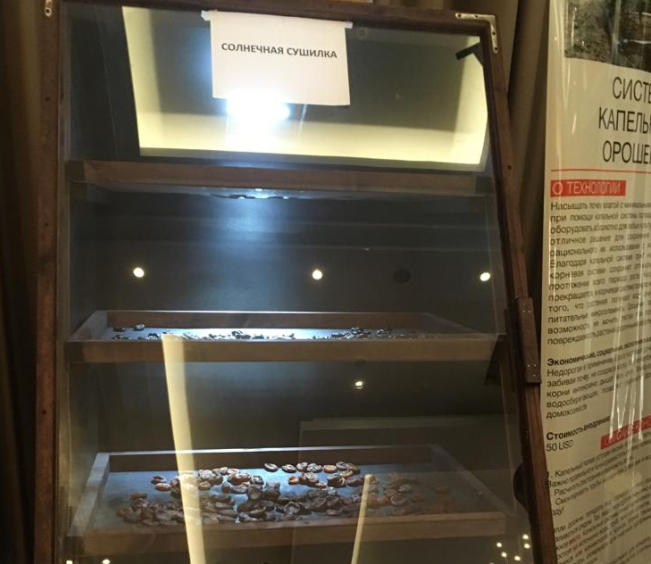
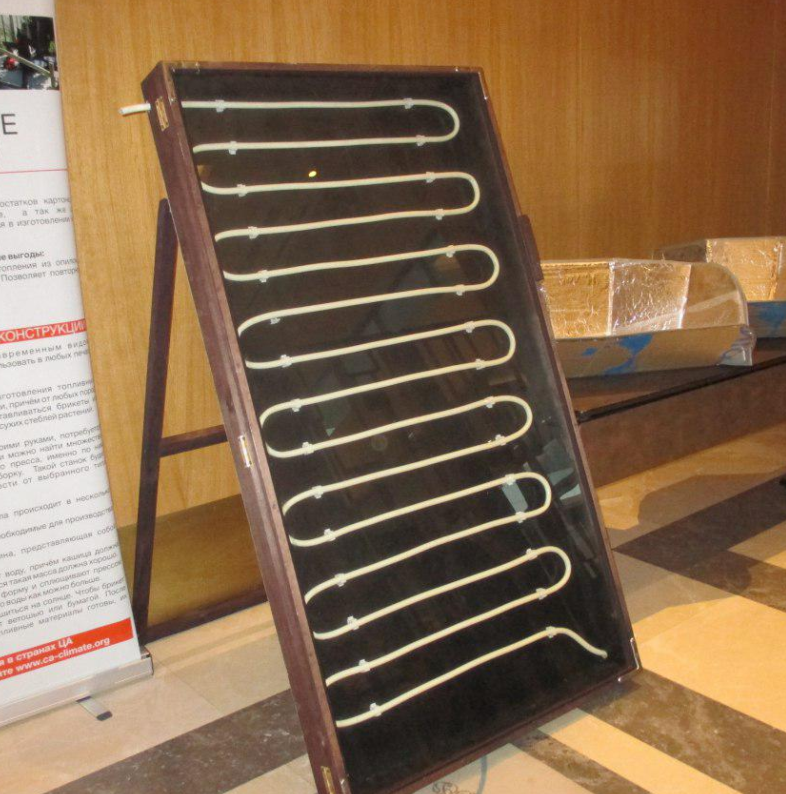
Taking into account the fact that energy prices are constantly growing every year, you can not help thinking about alternative solutions for heating your home, outbuildings, greenhouses, etc. This cost item can be reduced if you use the free energy of the sun as additional heating, the help of a simple device - a solar water heater, which can be made with your own hands. The simple design demonstrated at the exhibition is able to heat water on a sunny day up to 70 degrees.
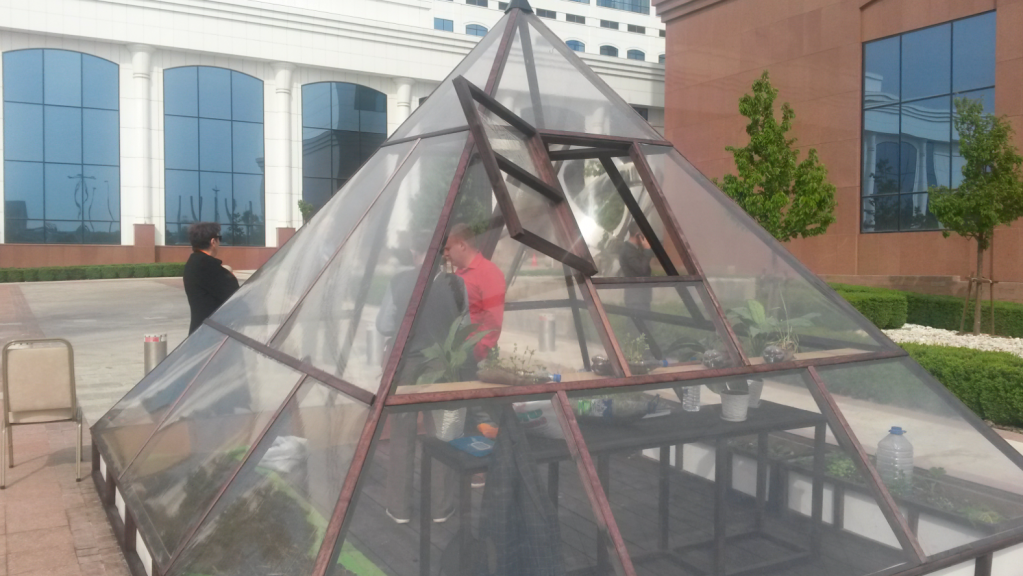
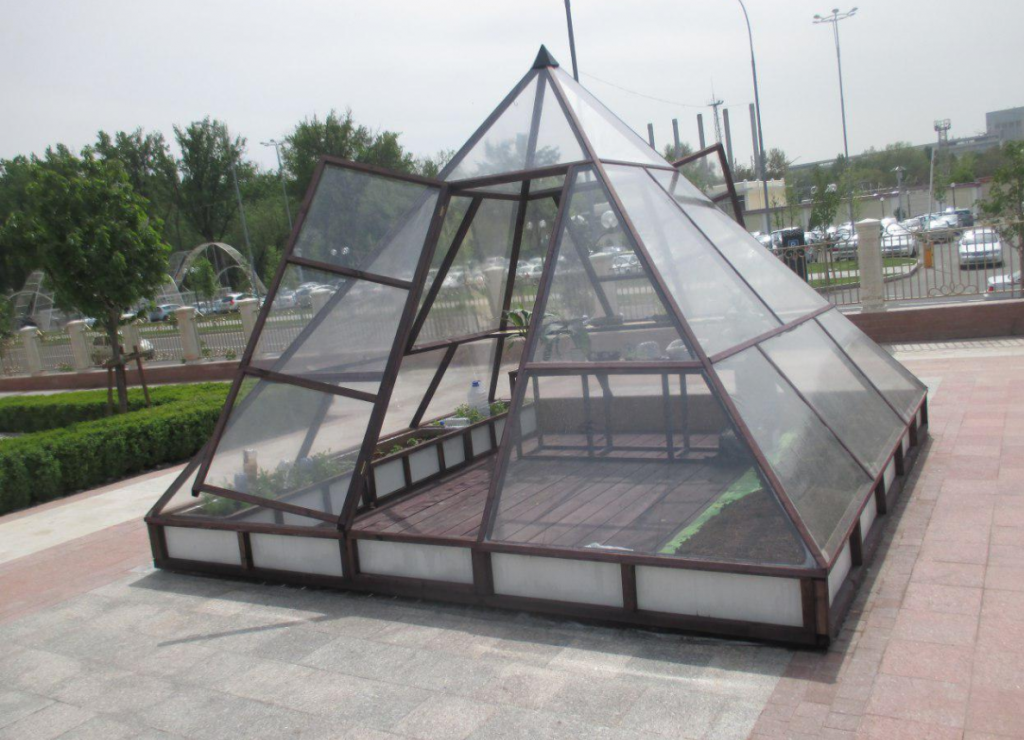
The exhibition also featured designs and technologies for rational land use. This, for example, is an economical greenhouse of a pyramidal structure with unique characteristics: compactness, rigidity, stability, economy, optimal natural lighting system, mobility, and a special air exchange process.
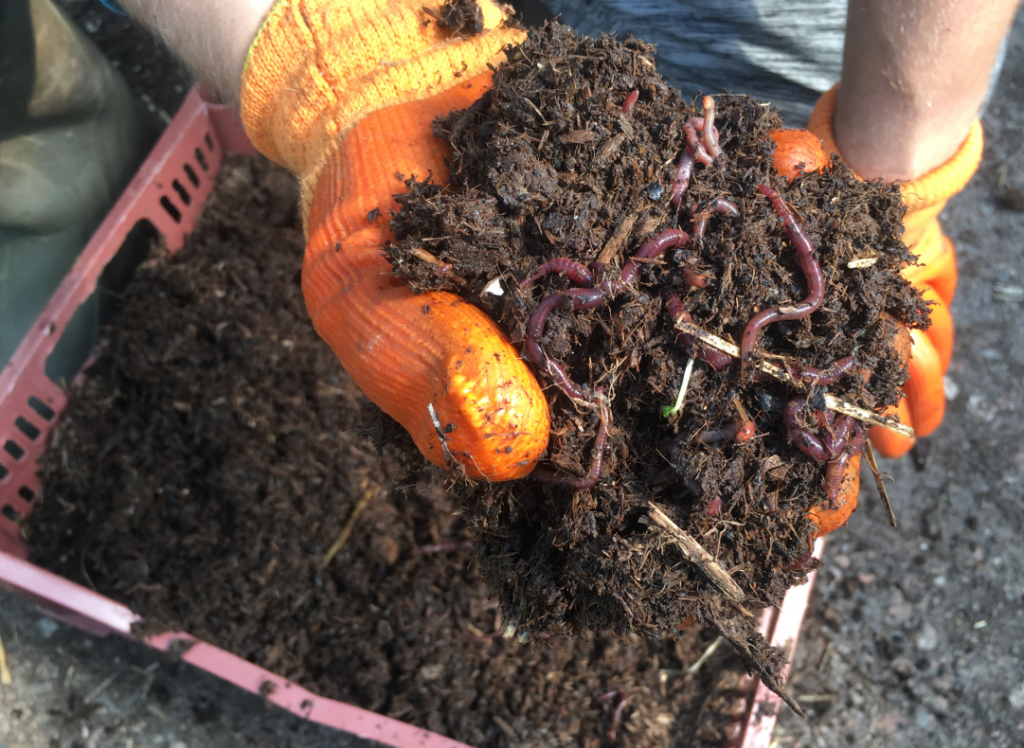
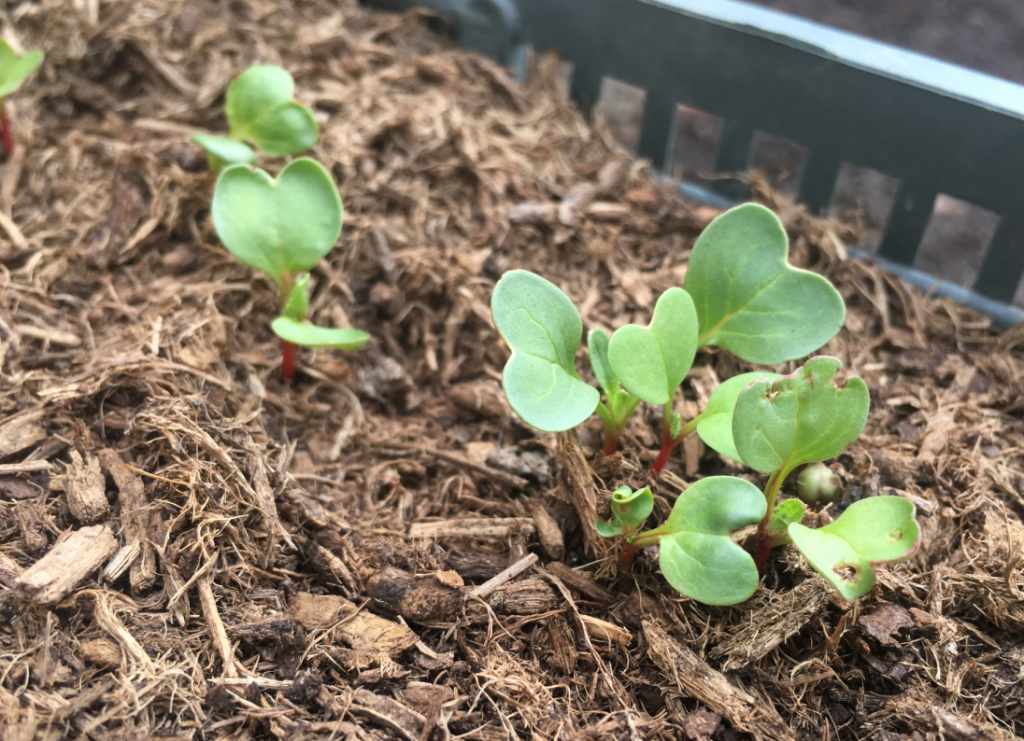
Various types of effective organic fertilizers (compost, biohumus, etc.) and biological methods of plant protection were demonstrated. Biohumus, for example, surpasses manure and composts by the content of humus by 4-8 times. A two-liter can of such fertilizer replaces a 50-pound bag of manure.
Separately, it was possible to get acquainted with the technology of growing plants without soil (hydroponics).
It is expected that the results of the session and the exhibition will determine areas for further cooperation in the field of promoting climate-sustainable technologies in the energy, agriculture and water resources sectors at the local level in Central Asia.