



Direct beneficiaries of climate investments, within the framework of CAMP4ASB Project Component 2, are rural communities, farmers and resource users groups interested in implementing measures to increase sustainability or mitigate the effects of climate change. It is expected that the beneficiaries will receive both technical and financial support for the implementation of subprojects aimed at improving living conditions and providing for the implementation of mitigation and adaptation to climate change, which can then be applied regionally.
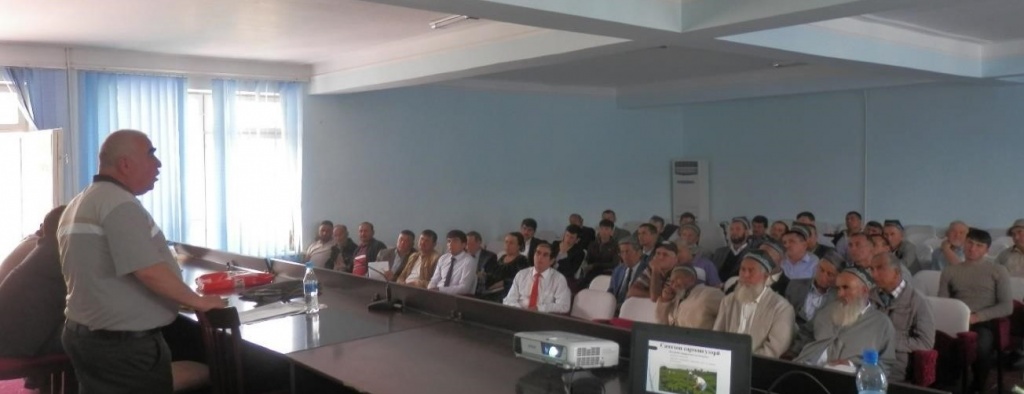
To help potential beneficiaries of the project and generally stakeholders, to better understand the opportunities for climate investments provided under Component 2 of the CAM4ASB project the awareness campaign was conducted in the districts of Khatlon region, such as: Shahrituz, Yavan, Farkhor, Vose, Khovaling, Kulyab, Temurmalik, Hamadoni, Muminabad and Kabadiyan from April 15 to May 16, 2017. Awareness campaign was conducted through the media, including radio programs, printed materials, and through consultation meetings and covered issues of the project scope, the parameters of sub-loans and project implementation at the national and regional levels.
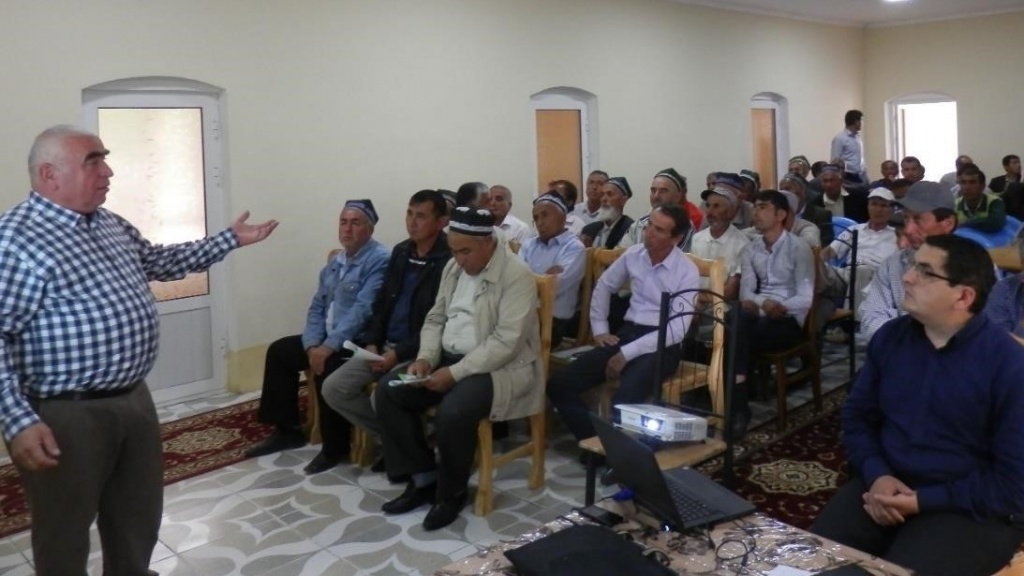 In order to provide technical assistance and organizational support to the beneficiaries in the two most vulnerable areas of Khatlon province, Vose and Muminabad, consultations were held with the communities to assist in the joint assessment of environmental protection and adaptation to climate change at the community level, as well as for joint assessment Rural areas for understanding the context and risks, and identifying appropriate investments and beneficiaries.
In these meetings with community representatives, technical issues such as water and soil management, pest management, agricultural and horticultural practices were discussed, which will enable beneficiaries and those who provide assistance to achieve the Project's objectives such as asset strengthening and land management , Taking into account environmental protection and resistance to climate change.
Organizational issues related to work with beneficiaries were also touched upon, for example, the preparation of proposals, management of investments in rural development (accounting for community procurement and benefit-sharing), joint monitoring and evaluation, reporting and social development (gender, inclusion of other vulnerable groups).
These meetings are aimed at helping potential beneficiaries to conduct financial, social and environmental justification of the expected investments in order to identify priority climate investments, including a maintenance plan and action plan, as well as monitoring.