




On September 18, 2017, within the framework of the Eight Central Asian Leadership Program (CAPL), the whole day was devoted to Climate Change Issues.
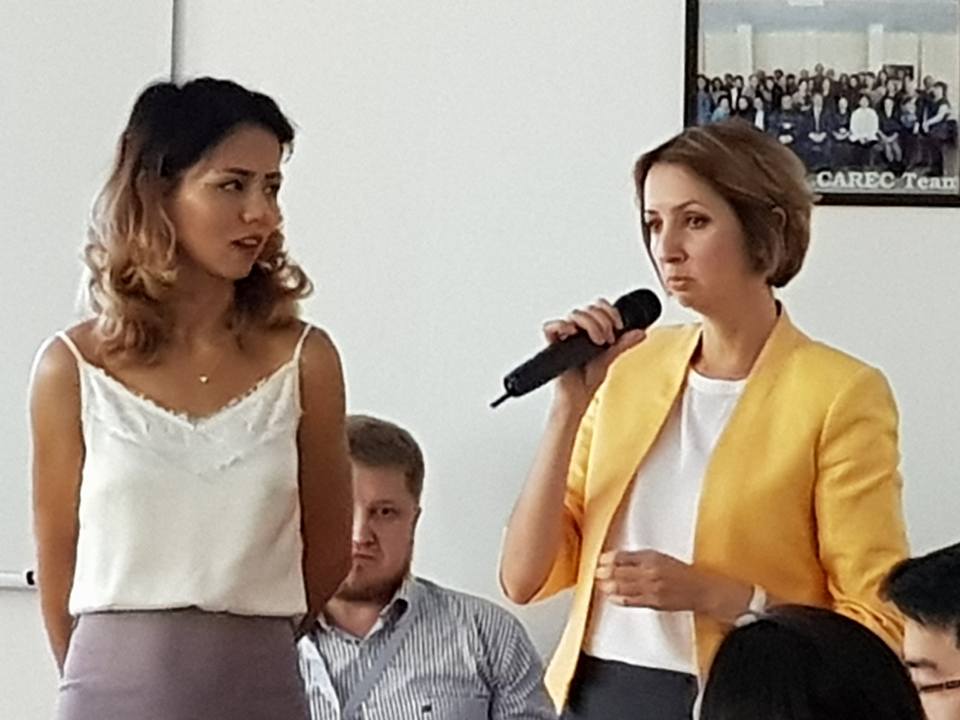 At the first session, on climate change mitigation and low-carbon development, presentations were made on global climate processes: achievements, lessons learned, further steps, instruments and mechanisms of low-carbon policy, examples of Central Asian countries. Further, Mr. Yerbol Ahmetbekov, LLP «Process Optimization», spoke about the modeling of the energy system of the countries of Central Asia and the Caspian region.
In addition, the participants learned more about Climate Adaptation and Mitigation Program for Aral Sea Basin (CAMP4ASB), which for the year of implementation showed its results of the coordinated work in the face of climate change problems in the region. The project and its results for the year were presented to the CAPL participants as a successful way of working at the regional level.
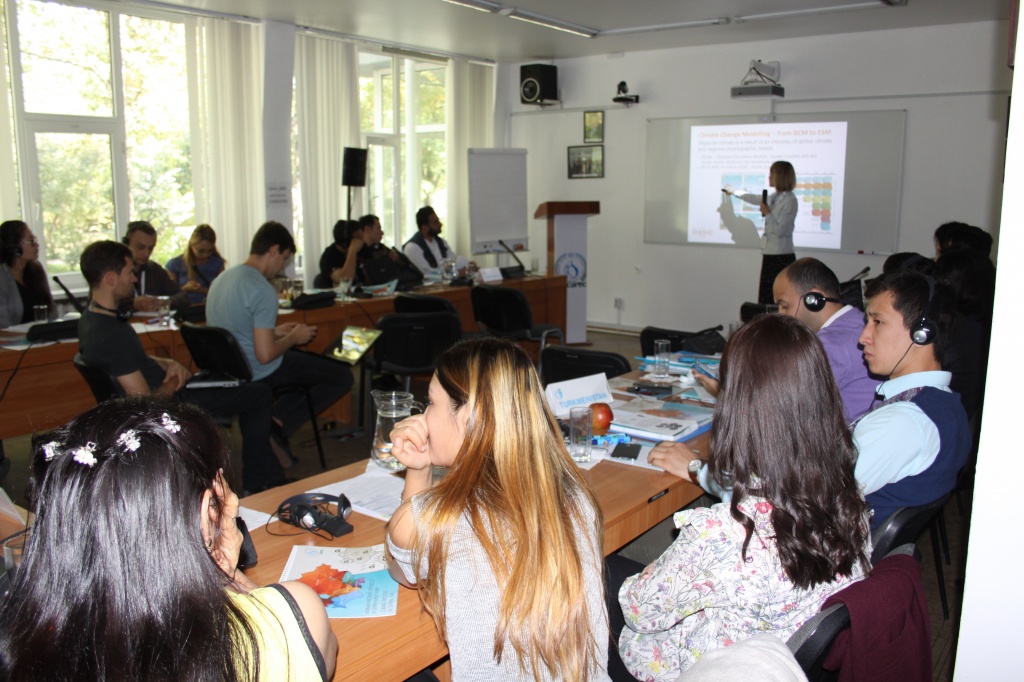 At the second session devoted to adaptation to climate change and climate risks, the role of science in addressing issues related to climate risks was described by Ms. Anastasia Lobanova, Potsdam institute for Climate Impact Research. Specialist of Climate Change and Sustainable Energy Program, CAREC, Ms. Zhanna Babagalieva made a presentation on adaptation to climate change in agriculture - key concepts, climate risks and possible measures. Several important topics: climate change and disaster risk reduction, climate change and security (about certain areas of special attention (the countries of Central Asia) where the problem of climate change can be a threat to security), and examples of UNDP projects on adaptation to climate change management and reduction of climate risks in Central Asia were presented by Mr. Stanislav Kim, UNDP.
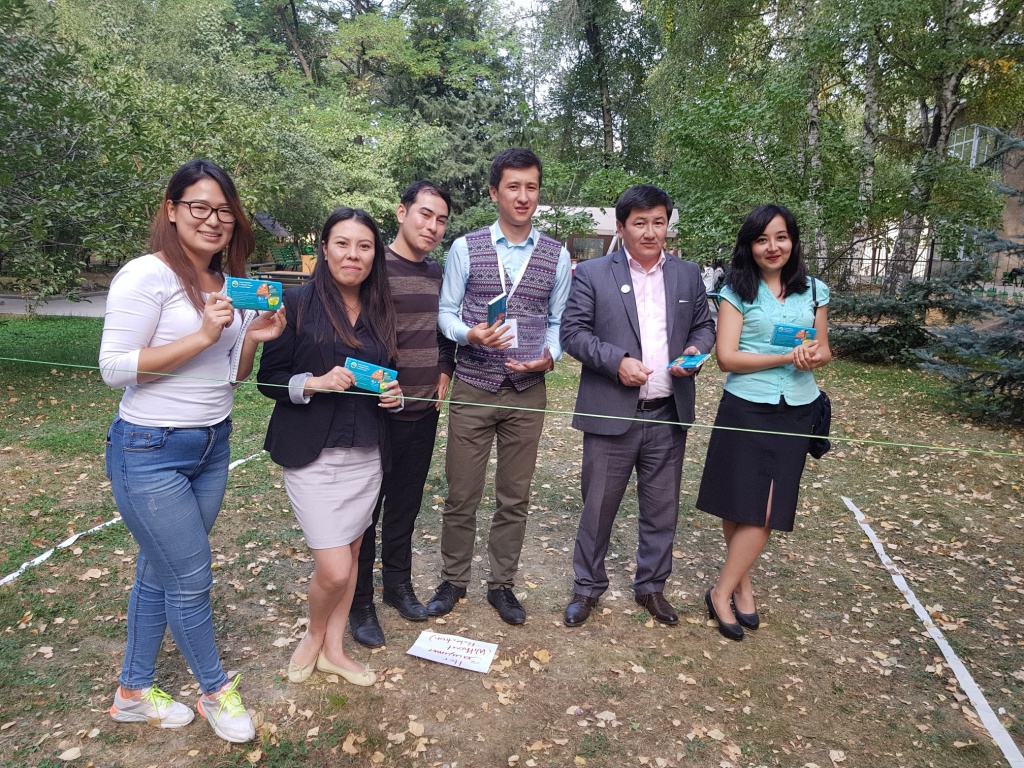 At the end of the second session, participants were invited to play an interactive game on disaster risk prevention.
The main aim of this physical participatory activity to support experiential learning and dialogue on the concept of “resilience”. Players became donors or subsistence farmers and faced changing risks. They did individual and collective decisions, with consequences. There were rich discussions emerge, and winners and losers as in real life.
____________________
The slogan of the Eighth CAPL is "The leaders of Central Asia - for a green economy and regional cooperation". Therefore, the main objective of the Program is to demonstrate the advantages of regional cooperation on the issues of green economy, water resources and energy management and capacity development of young leaders of Central Asia and Afghanistan.
It is planned that CAPL will contribute to broadening the comprehensive thinking, decision-making and business relations among participants and graduates - representatives of governments, academic and private sectors and civil society; To motivate the integration of the themes of environmental protection, the green economy and the Sustainable Development Goals (LRCs) for effective decision-making and support and develop networks of interaction between the young leaders of Central Asia.