




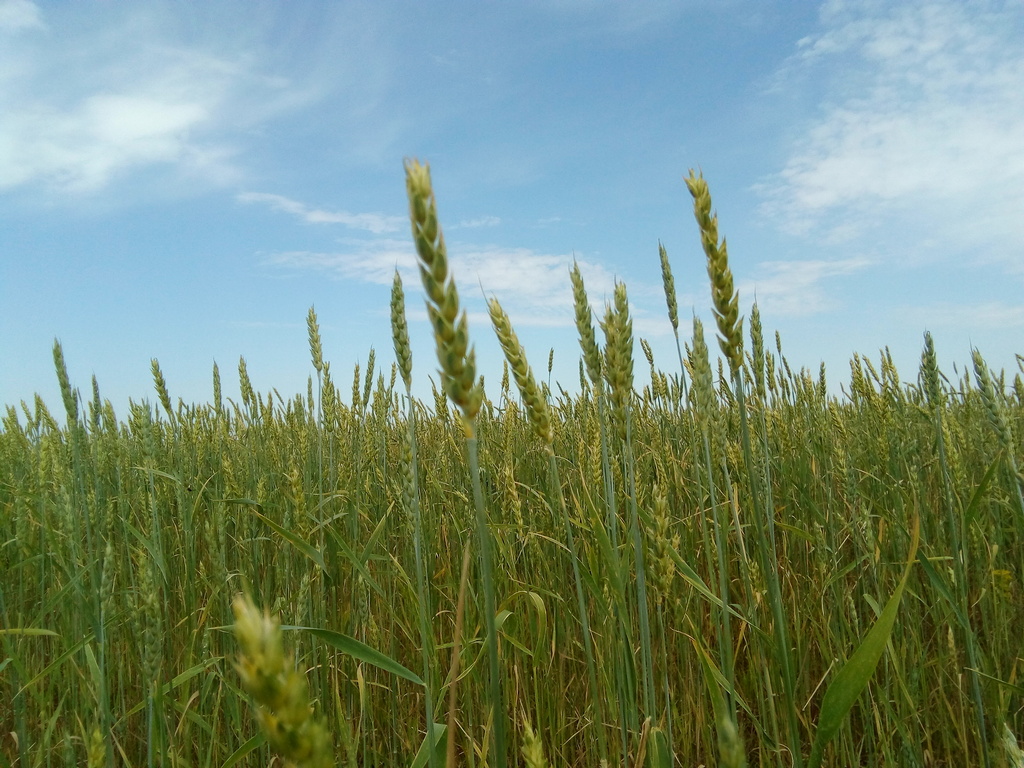
Today, June 4, the first of a series of online seminars “On Adaptation of the DSSAT Model for Predicting Yields in the Central Asian Region” begins its work. The event was organized by the Regional Environmental Center for Central Asia (CAREC) and is held jointly with representatives of the University of Florida, as part of the implementation of the “Climate Adaptation and Mitigation Program for the Aral Sea Basin”, with financial support from the World Bank. It will be held for two days, June 4-5, from 16.00 to 18.30.
The event will be attended by representatives of the hydrometeorological services of Kazakhstan, Tajikistan, Turkmenistan and Uzbekistan, scientists of the University, as well as representatives of CAREC.
Information needs for decision-making in the field of agriculture are growing every day due to the increased demand for agricultural products in the face of an increasing load on land, water and other natural resources. Traditional agronomic research methods are time-consuming and often ineffective, especially in the face of climate change trends. At the same time, modern yield forecasting models, such as DSSAT (decision support system for agrotechnology transfer), save time and resources and show high reliability in forecasting crop yields
It is important to note that this is the first experience in adapting and implementing the method of numerical simulation of productivity in the Central Asian region.
The professors and experts of the University of Florida who are the developers of this model will present participants with an overview of yield forecasting models and conduct practical exercises on the DSSAT model. This model allows us to predict the yield of 16 types of crops based on hydrometeorological data, data on soils, genetics, economic and experimental data.
As a result of a series of training seminars, it is expected that this tool will be integrated into the operational work of the hydrometeorological services of the countries of Central Asia and will provide quality forecasts of crop yields.
_________________
Climate Change Adaptation and Mitigation Program for Aral Sea Basin